
Lisa Kessler
We are so very pleased to feature Lisa Kessler. Lisa is a Boston-based photographer and educator whose long-term documentary projects explore the intersection of American culture, social issues, and personal experience. Bridging the intimate and the political, her work addresses subjects ranging from education and restorative justice to sexual abuse, violence, and the complexities of contemporary community life.
Her photographs have received support from leading arts and cultural organizations and are held in the permanent collections of the Cleveland Museum of Art, the Philadelphia Museum of Art, and the Teaching Museum of Lehigh University. Her ongoing projects reflect a sustained commitment to documenting overlooked stories and giving visibility to voices and experiences that shape our collective understanding. Because of her I’m always reminded to think pink.
- Steven J. Duede, Visual Artist. Aspect organizer
Think Pink
In 2014, I was lucky to have the opportunity to curate a show of Lisa Kessler’s work, titled In the Pink. It was a culturally significant body of work then, and has continued to grow in meaning in the twelve years since the exhibition. As a color intimately tied to gender, pink has been interpreted, appropriated, weaponized, and reclaimed countless times. And, the more cultural capital the color pink earns, the more powerful it becomes. When I first wrote about the exhibition, I noted that pink has always been multifaceted—confident, destructive, and ubiquitous in our daily lives. Pink does not go anywhere quietly. It is a color of extremes, and it asks for a reaction. In fact, when Kessler began the project, she was not a fan, but as she noted, “I like conflict, I like meaning, and I wanted to work on a project that could be joyful and provocative.”
Kessler’s works are both joyful and provocative. Her photographs reveal the color’s coded meanings and how they appear in our daily lives. Kessler has documented pink all over the country, from the expected—pale plastic doll displays and frosted layer cakes—to the unexpected—the psychologically intoxicating interior of a football locker room and splashes of the color bursting from the natural landscape. Pink is beautiful, nauseating, natural, and artificial all at once, contradictions which make it and Kessler’s work infinitely fascinating.
Jessica Roscio, Ph.D.
Director and Curator, Danforth Art Museum
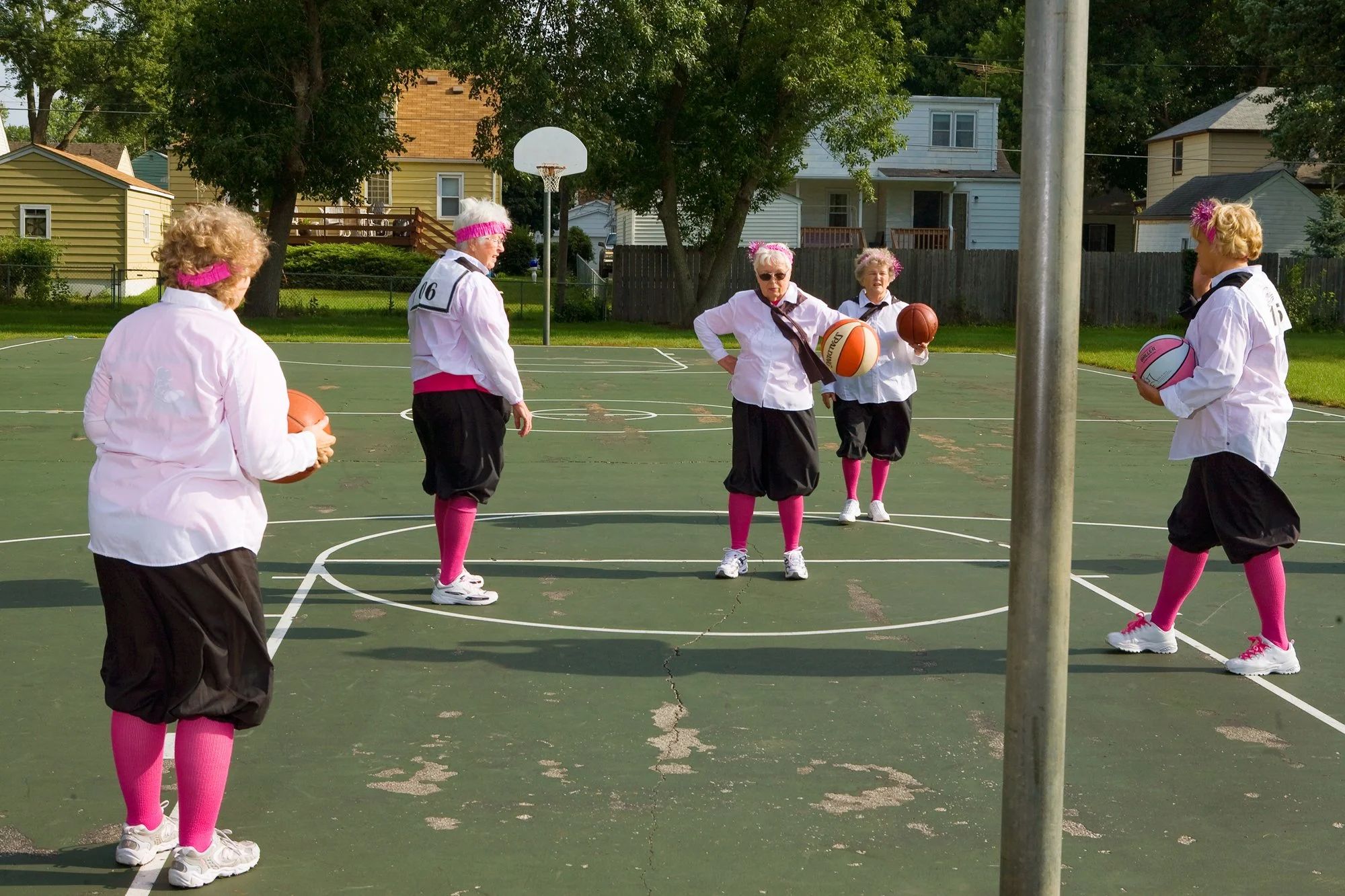
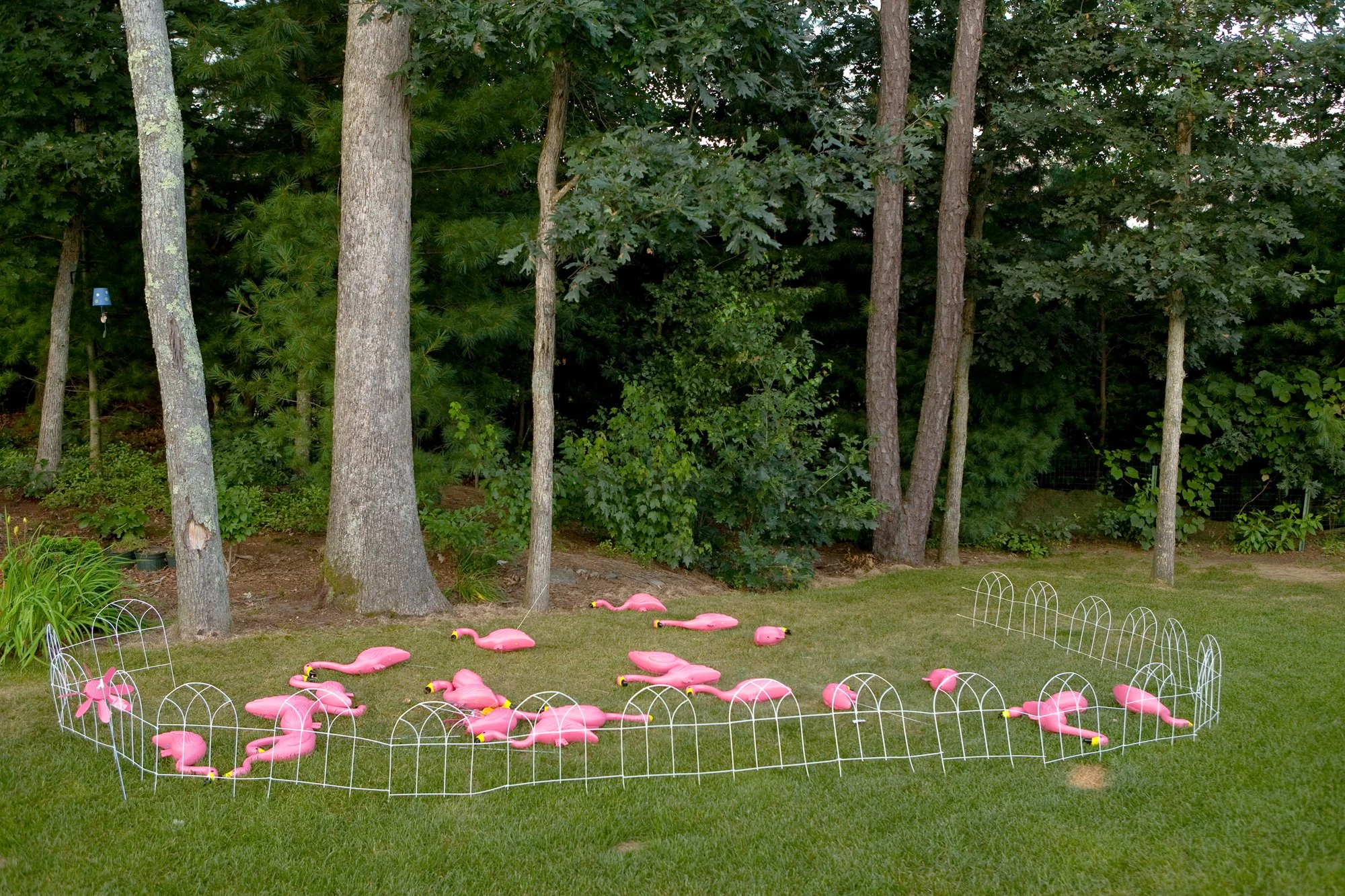


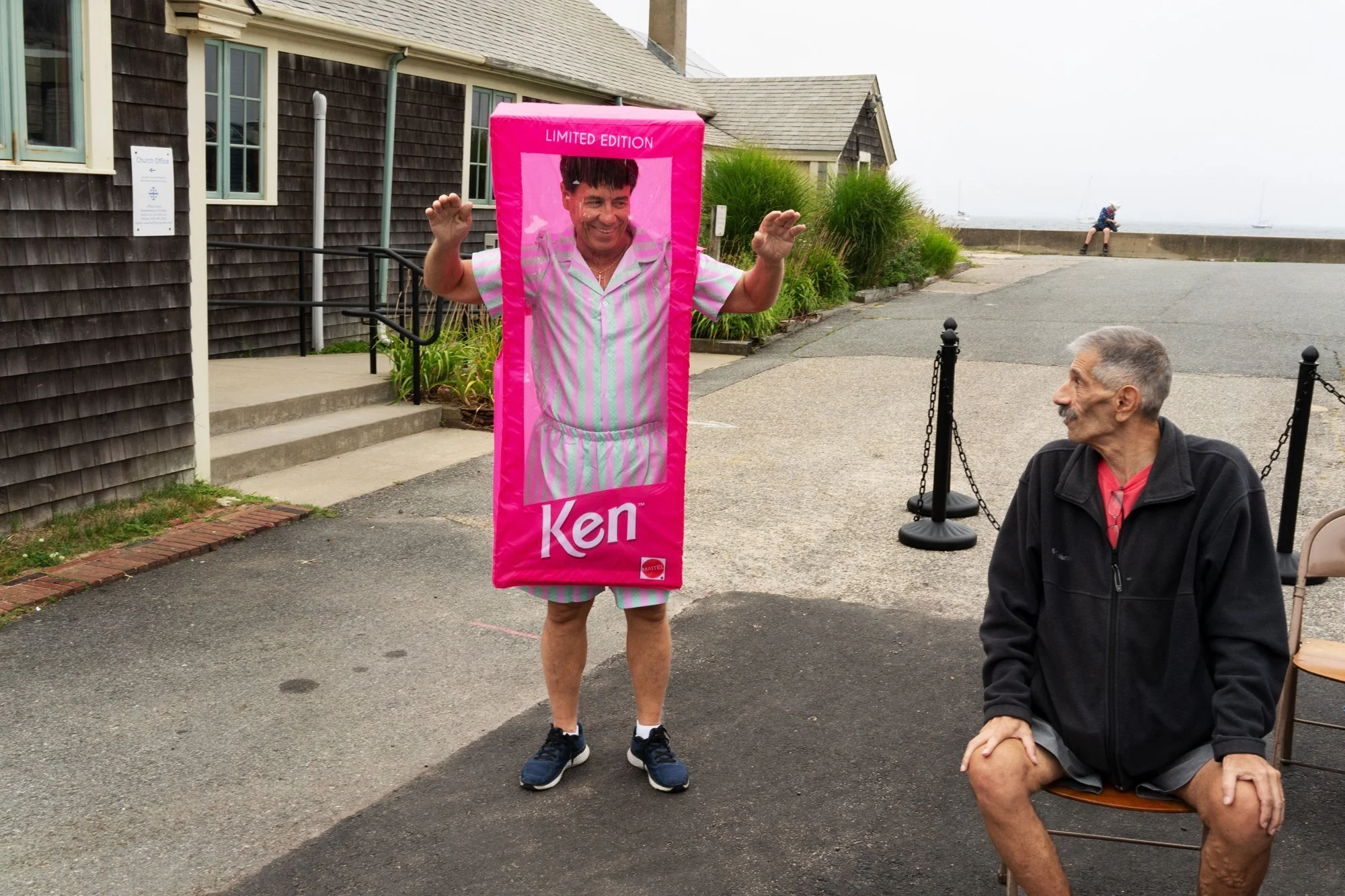
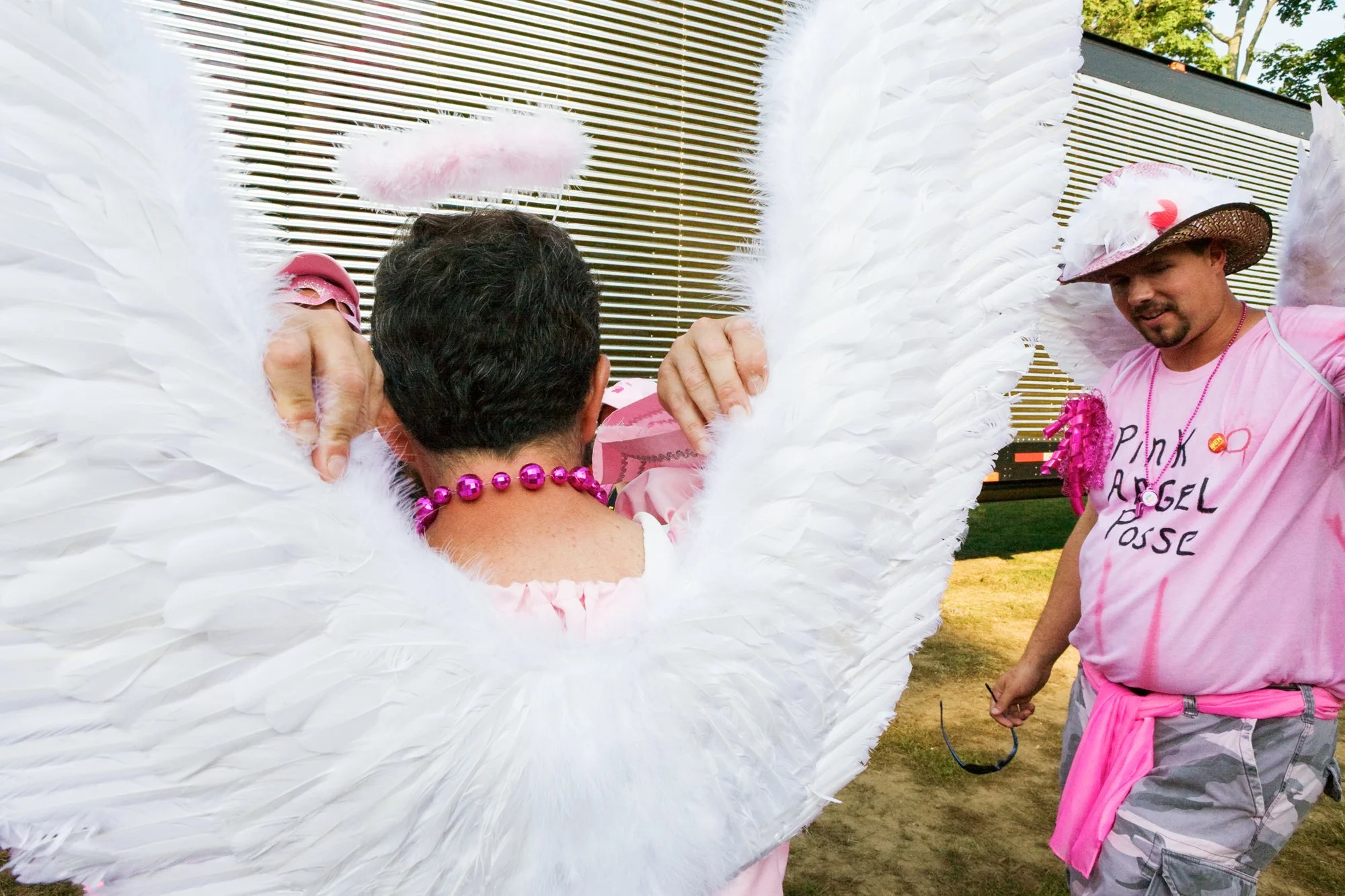
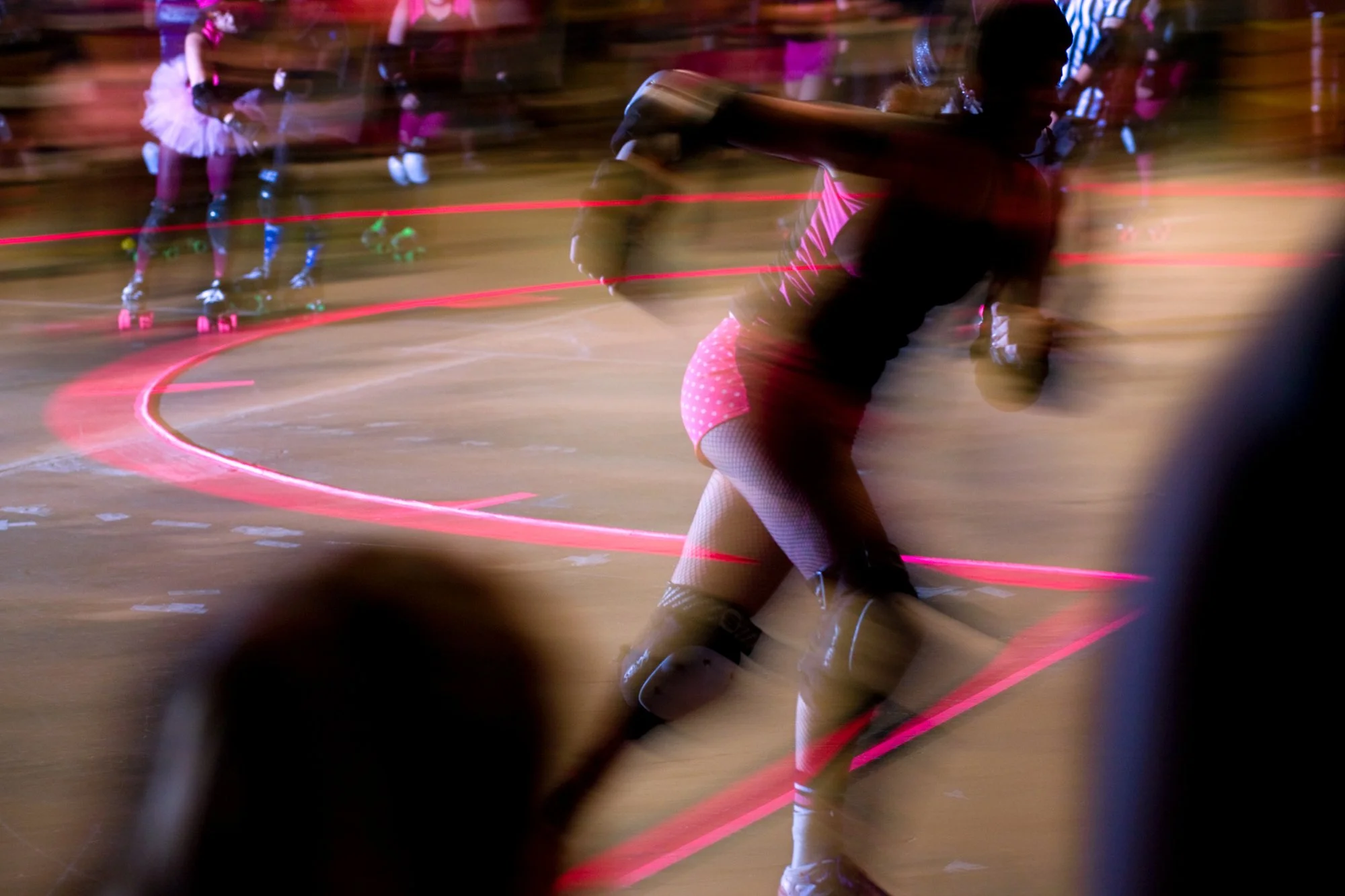
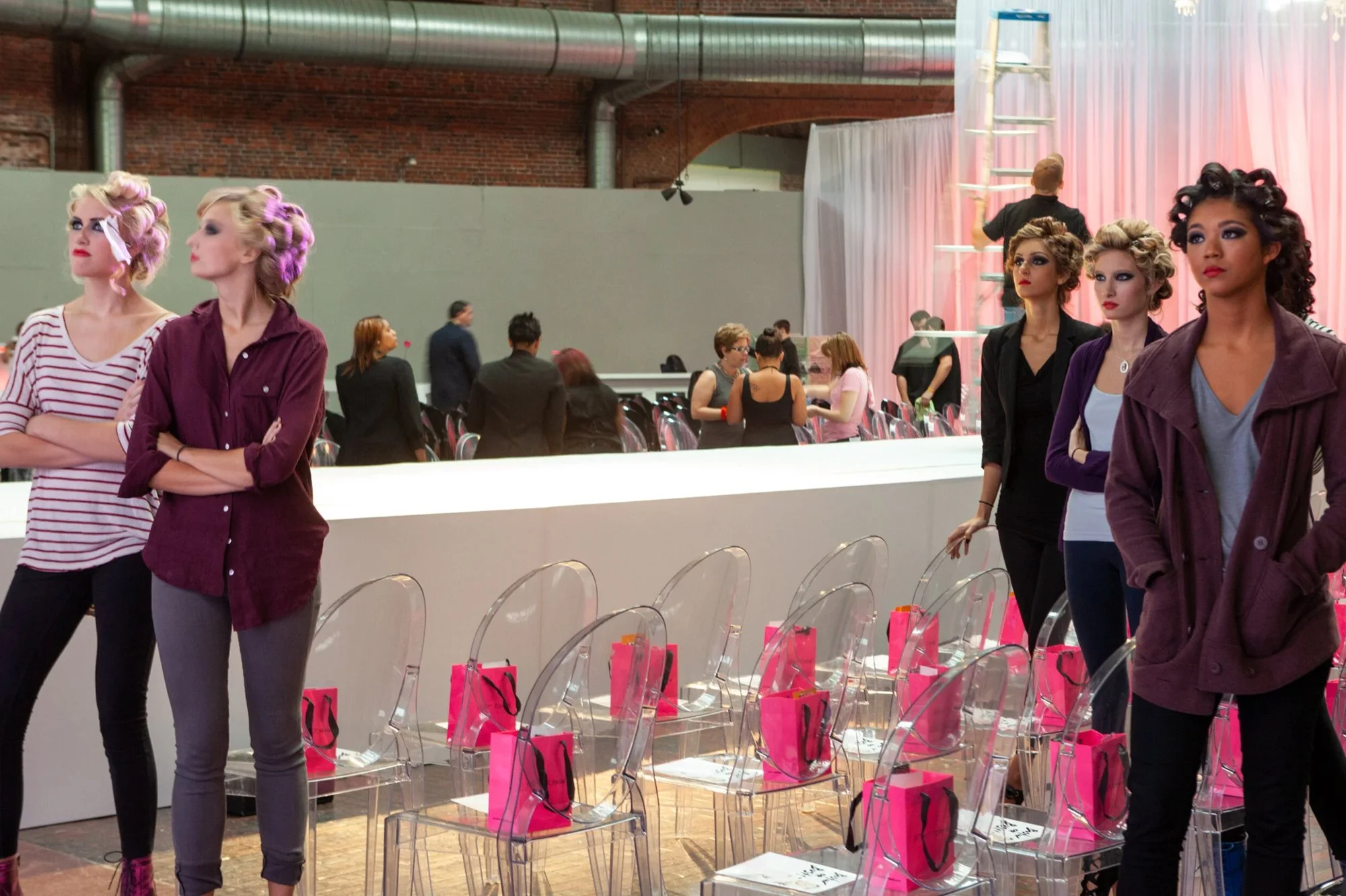

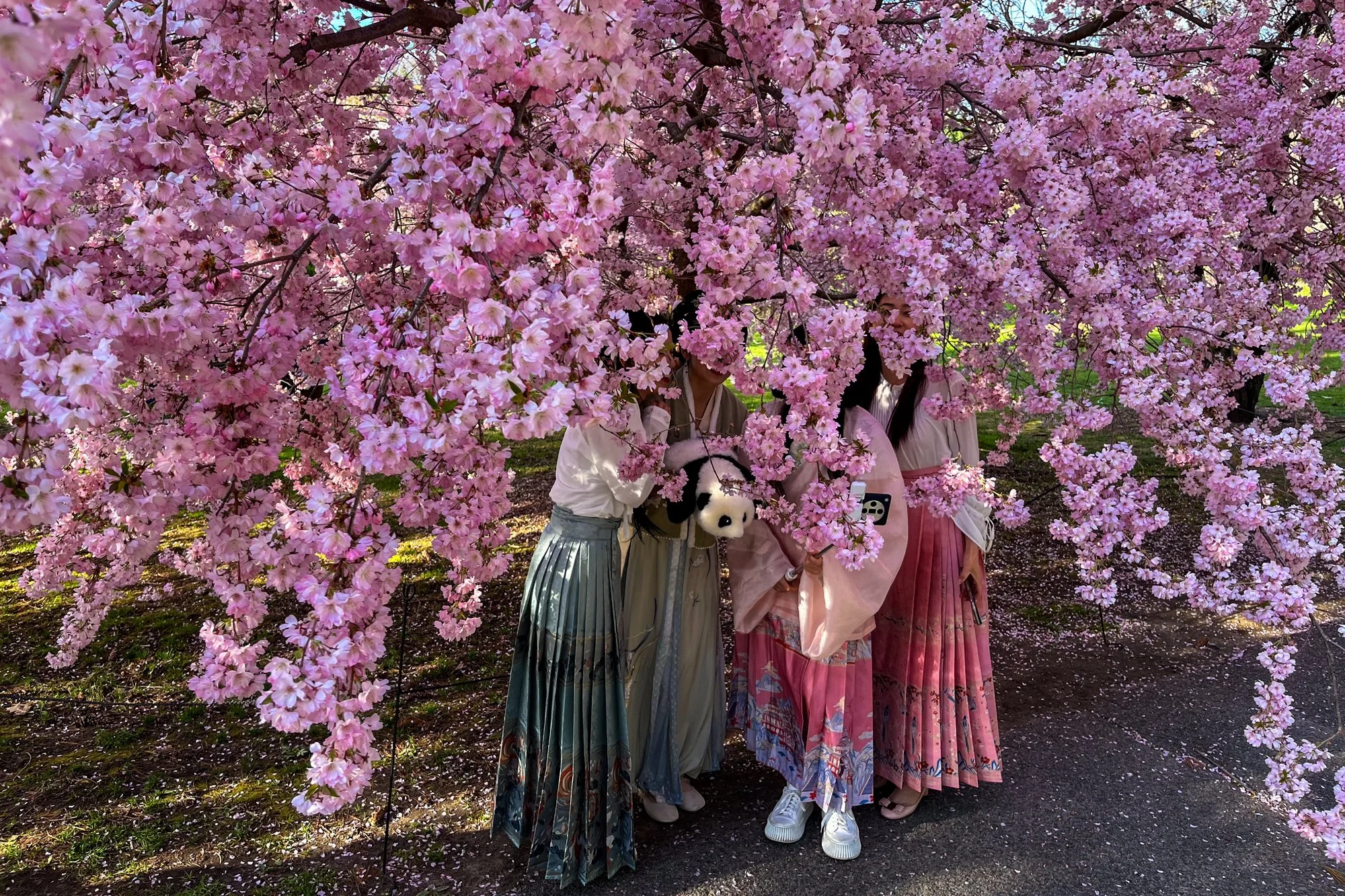
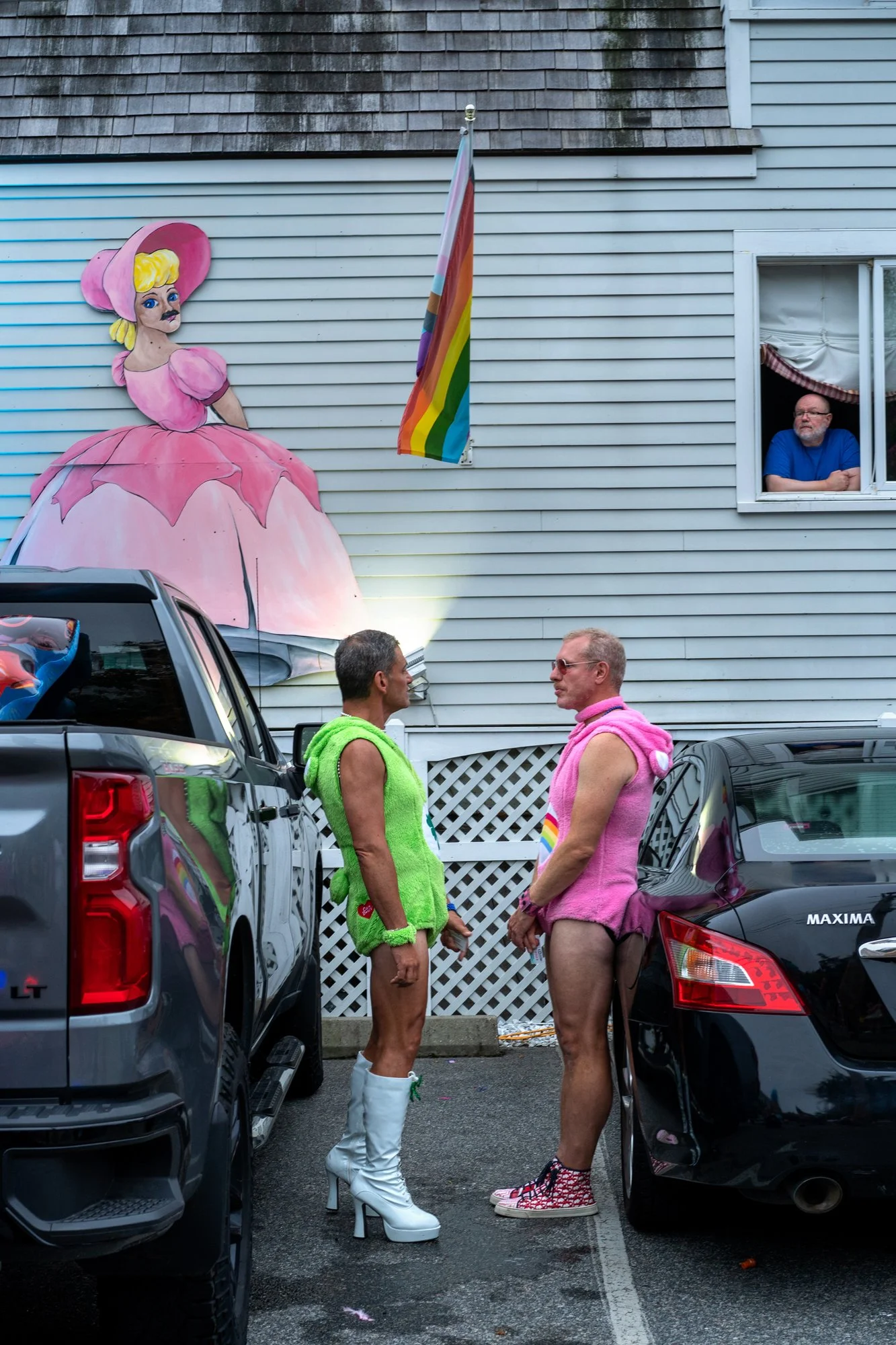

Why pink? It’s a sensational color that stands out, draws our eye, and affects our senses. And it is jam-packed with all kinds of meanings in our culture, many of them conflicting. I was not a fan of the color pink. But I like conflict, I like meaning, and I wanted to work on a project that could be joyful and provocative.
These photographs are part of a book-length documentary project about the idea of the color pink in America. “In the Pink” playfully examines the color pink as a locus of politics, gender, history and aesthetics. Why pink? It’s a sensational color that stands out, draws our eye, and affects our senses. And it is jam-packed with all kinds of meanings in our culture, many of them conflicting. I was not a fan of the color pink. But I like conflict, I like meaning, and I wanted to work on a project that could be joyful and provocative.
Right from the start, I made a list of connotations: pink means feminine, it means girl, it means female. It connotes innocence, vulnerability, and softness. It can be intimate, romantic, or hot. It can mean powerful, provocative, shocking, aberrant, or sickening (pepto bismol pink), eccentric, defiant, liberating, playful, or plastic. Rare meat is pink. For some people, pink means gay. In pornography it is slang for vagina. Pink is often a gender marker and gender is contested terrain.
The color has a rich political history. “Pinko” or “commie pinko” was a 20th century put-down to anyone sympathetic to the left. The Nazis used a pink triangle to mark gay men and trans women – a pink triangle that gay rights activists turned upside down and re-appropriated as a symbol of pride in the 1970s. That same symbol was immortalized during the AIDS crisis in the Silence=Death posters, completing the transformation of a color symbolizing femininity and used to humiliate, into one of solidarity and defiance.
Here in the 21st century, the color pink wields its power as a transitive idea, a signifier that mutates to reflect changes and paradoxes in our culture. I have photographed ballerinas and pink flamingos and baby girl events, as well as Arizona inmates forced to wear pink boxer shorts, and the renovated pink urinals at the University of Iowa visiting Football locker room, which has been pink since 1979 - ostensibly to calm the opposing team.
The color pink is deeply linked to the breast cancer awareness movement, where all kinds of men embrace pink as a color of love and support for the women in their lives. Feminists, like the anti-war group Code Pink, the singer P!nk, Barbie director Greta Gerwig, and the pink pussy hat activists have reclaimed pink as a color of inclusive feminine power and a protest against patriarchal binaries.
Why is pink for girls and blue for boys? One historian asserts that the pink/blue gender binary was brought into the mainstream in 1927 when an art dealer created a media circus around Henry Huntington’s acquisition of two 18th century British portraits, Thomas Gainsborough’s painting “Blue Boy” and Sir Thomas Lawrence’s “Pinkie.“ An orchestrated media campaign and the commerce of art helped forge an enduring cultural construct. The public loved Pinkie and Blue Boy, popularized for decades in pageants, porcelain figurines, and the ubiquitous kitsch reproductions hung in homes.
Pink still means feminine, but it’s no longer necessarily an implied slap, a ‘dirty word’ as the painter Joan Mitchell said. As a young woman, that’s how I felt, and I kept the color pink at bay. Now I enjoy pink, and I stay tuned to its transformations. Ideas provoked by pink will be contested until it truly becomes okay to be whoever we are. Pink is the color that is more than a color. But it is just our mirror. Pink enlivens the visual landscape, it is fodder for our cultural and political agendas, and it is the color of our insides, all of us. - Lisa Kessler 2026

Lisa Kessler
Photo: Jonathan Wiggs
Lisa Kessler is a Boston-based photographer and educator whose long-term documentary projects explore the complexities of American culture and contemporary social issues. Her work bridges the intimate and the political, examining subjects such as the cultural meaning of the color pink, the rise of the survivors’ movement in response to sexual abuse, the daily lives of young people in public schools, and Boston families living in the aftermath of homicide.
In 2025, she completed and exhibited a project documenting Boston’s last free-standing public middle school, continuing her efforts to make restorative justice practices visible. To mark the 25th anniversary of the revelation of crimes within the Archdiocese of Boston, Lisa is currently completing a limited-edition box set of photographs from Heart in the Wound, accompanied by a folio of essays and testimonies.
Her work has received support from the George Gund Foundation, the Massachusetts Cultural Council, the Honickman Foundation, the Center for Documentary Studies, the Photographic Resource Center, and Pictures of the Year International. Her photographs are held in the permanent collections of the Cleveland Museum of Art, the Philadelphia Museum of Art, and the Teaching Museum of Lehigh University.
Lisa has taught at Boston University, Boston College, and the Rhode Island School of Design. She currently teaches in the Documentary Practice and Visual Journalism Program at the International Center of Photography in New York. Her work is represented by Anderson Yezerski Gallery in Boston.
Visit, Lisa